Design Trends and Digital Creativity
Digital design continues to evolve at an unprecedented pace, influenced by technological capabilities, user expectations, and cultural shifts. Understanding current trends helps designers create relevant, engaging experiences while maintaining timeless principles that transcend temporary fashions.
The Evolution of User Interface Design
User interface design has shifted toward simplicity and clarity. The maximalist designs of the early web have given way to cleaner, more focused interfaces that prioritize content and functionality. This isn't just aesthetics – it reflects our understanding of cognitive load and attention. Users can accomplish more when interfaces get out of their way.
Modern UI design embraces white space, purposeful color, and intentional typography. Every element serves a function. Decorative flourishes exist to guide attention or reinforce brand identity, not simply to fill space. This discipline creates interfaces that feel effortless to use.
Accessibility as Standard Practice
What was once treated as an afterthought has become central to good design. Accessibility isn't a separate concern – it's integral to creating products that work for everyone. This includes obvious considerations like color contrast and keyboard navigation, but also subtler aspects like clear language and logical information architecture.
The shift toward accessibility has made digital products better for all users, not just those with specific needs. Clear labels help everyone navigate. Good color contrast improves readability in various lighting. Keyboard shortcuts speed up workflows. When we design for accessibility, we design for humanity.
Design Systems and Consistency
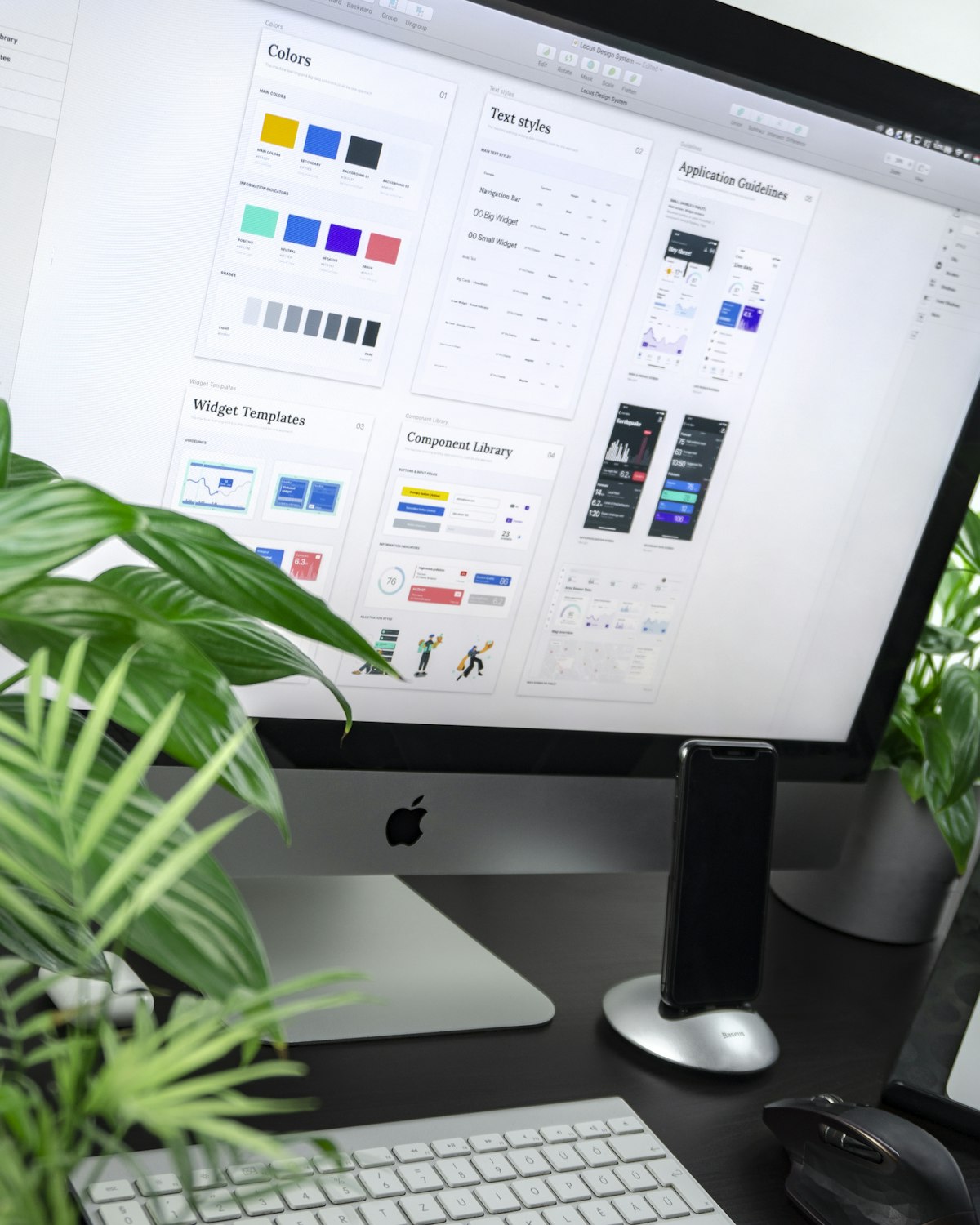
Large-scale digital products now rely on comprehensive design systems – collections of reusable components, patterns, and guidelines that ensure consistency across products. These systems reflect the maturation of digital design from craft to discipline. They enable teams to work efficiently while maintaining coherent user experiences.
Creating design systems requires thinking beyond individual screens to the underlying patterns and principles that unify a product family. This systems thinking represents a fundamental skill for modern designers, bridging visual design with strategic thinking.
Motion and Microinteractions
Strategic use of motion has become a hallmark of polished digital products. Motion serves multiple purposes: providing feedback, indicating relationships between elements, directing attention, and creating personality. The key word is "strategic" – motion should always serve a purpose beyond mere decoration.
Microinteractions – small, specific moments of engagement like button presses or loading animations – have an outsized impact on how products feel to use. These details separate good products from great ones. They demonstrate care and attention that users notice even when they can't articulate why a product feels better.
The Role of AI in Design
Artificial intelligence is changing how designers work, but not replacing the need for human designers. AI excels at certain tasks – generating variations, automating repetitive work, suggesting improvements based on data. However, the strategic thinking, empathy, and creative judgment that define good design remain distinctly human.
Smart designers are learning to work alongside AI tools, using them to handle routine tasks while focusing their own efforts on problems requiring human judgment. This partnership will likely define the next phase of design evolution.
Current Design Principles to Embrace
- Prioritize clarity and simplicity in interface design
- Make accessibility central to your design process
- Develop systematic approaches using design systems
- Use motion purposefully to enhance user experience
- Learn to work effectively with AI design tools
- Stay grounded in timeless design fundamentals
The most important trend in design isn't visual at all – it's the increasing focus on outcomes over outputs. Good designers don't just make things look nice; they solve problems, improve experiences, and create value. This results-oriented mindset, combined with solid craft skills, defines excellence in modern design practice.
Master Modern Design Skills
Learn UI/UX design, visual communication, and prototyping in our comprehensive design course.
Explore Design Course